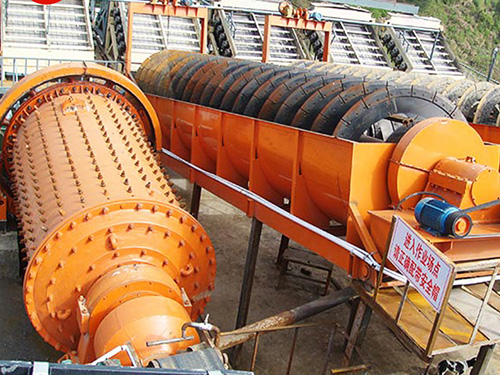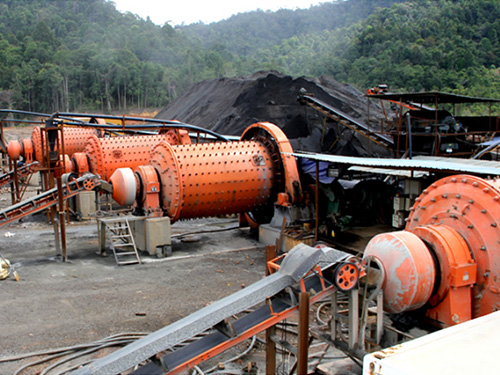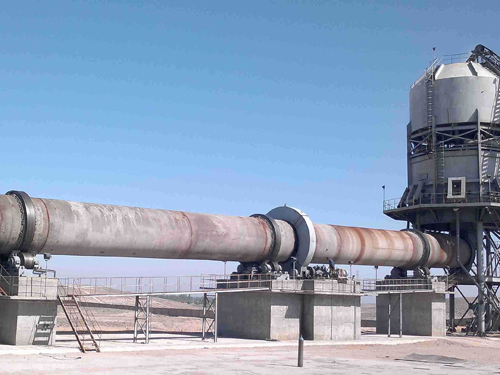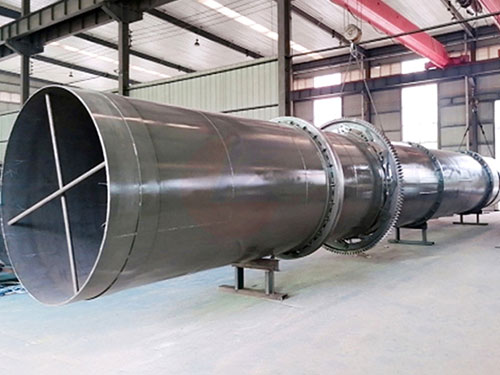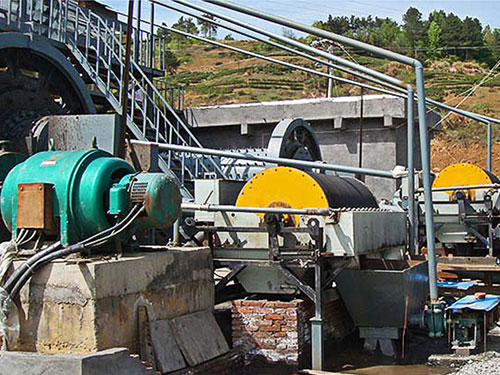
In the thermal power generation industry, efficiency begins with fuel preparation. Pulverized coal combustion is the standard for large-scale electricity production, and the ball mill (often referred to as a tube mill or pulverizer) remains one of the most critical pieces of equipment in this process. Grinding coal to the correct fineness is essential; it determines combustion efficiency, boiler stability, and emissions control.
Here is a technical guide on how to effectively grind coal in a ball mill for power plant operations.
Understanding the Mechanism
Unlike ball mills used in mining or cement, coal mills in power plants operate under specific constraints. The primary goal is to achieve a pulverized fuel (PF) fineness where 70% to 80% of the particles pass through a 200-mesh sieve (75 microns).
Coal grinding in a ball mill is typically a low-speed process. The mill rotates at a speed between 15 and 25 RPM. Inside the cylinder, large steel balls (often made of high-chrome or forged steel) are lifted by the rotating shell and cascade down, crushing the coal through a combination of impact and attrition.
The Grinding Process: Step by Step
1. Raw Coal Feeding
The process begins with raw coal entering the mill via a gravimetric feeder. For optimal grinding, the coal moisture content is critical. If the coal is too wet, it will coat the grinding media and liners, causing "packing." Many modern ball mill systems utilize hot primary air (often drawn from the boiler’s air preheater) that enters the mill to dry the coal instantly upon entry.
2. Drying and Grinding
Inside the mill, three simultaneous processes occur:
Drying: Hot air (typically between 220°C and 340°C) sweeps through the mill, evaporating surface moisture.
Grinding: The ball charge crushes the coal against the mill lining. The size of the balls usually ranges from 30mm to 50mm in diameter for coal applications, requiring less impact force than harder ores.
Classification: The airflow carries the fine coal particles upward. A classifier (static or dynamic) sits at the top of the mill. Heavy, unground particles fall back into the grinding zone, while fines are transported to the burner.
3. Optimal Ball Charge and Wear Management
To maintain throughput, the ball charge must be regularly maintained.
Ball Replenishment: Due to wear, the steel balls lose mass. Operators typically perform "ball charging" weekly or monthly to maintain the mill’s power draw and grinding capacity.
Liner Condition: The wear liners inside the mill must be inspected regularly. Worn liners reduce the "lift" given to the balls, decreasing grinding efficiency.
Key Parameters for Efficiency
To maximize grinding efficiency in a power plant, operators must monitor the following metrics:
Mill Differential Pressure: A high pressure drop indicates a high coal load or potential blockage, often due to wet coal or insufficient drying.
Outlet Temperature: Maintaining an outlet temperature of 65°C to 90°C is crucial. Temperatures below this range cause condensation and plugging; temperatures above this range pose a fire risk (spontaneous combustion of pulverized coal).
Primary Air Flow: This is the air that transports the coal. Too little air leads to coal settling in the pipes (plugging); too much air carries oversized particles to the burner, causing unburnt carbon loss.
Safety Considerations: Fire and Explosion
Grinding coal presents inherent safety risks. Coal dust is highly explosive. Modern ball mill systems in power plants integrate:
Inerting Systems: Usually steam or nitrogen injection, used during startup and shutdown to purge oxygen from the mill.
Fire Detection: CO (carbon monoxide) detectors are standard. A rise in CO levels indicates the onset of a fire inside the mill.
Explosion Vents: Explosion panels on the mill body and ducts are designed to release pressure safely in the event of an ignition.
Advantages of Ball Mills for Coal Grinding
While vertical roller mills (VRMs) are gaining popularity, ball mills remain dominant in many plants for several reasons:
Fuel Flexibility: Ball mills handle a wider range of coal types, including high-moisture lignite and abrasive coals, better than VRMs.
Reliability: They offer high availability (uptime) and tolerate foreign objects like metal debris that might damage other types of pulverizers.
Consistent Fineness: They produce stable fineness across a wide load range, which is essential for low-NOx burner stability.
Grinding coal in a ball mill for power plants is a precise balance of mechanical force, thermal drying, and pneumatic conveying. Success lies in maintaining the correct ball charge, managing the air-to-fuel ratio, and strictly adhering to safety protocols regarding fire and explosion prevention.
By optimizing these parameters, power plants can achieve higher combustion efficiency, lower unburnt carbon, and reduced maintenance costs over the lifespan of the milling equipment.