When it comes to cement production, the grinding of cement clinker is the most energy-intensive and critical step. Choosing the best grinding solution for cement clinker directly impacts product quality, operational costs, and plant profitability. With the industry pushing for higher efficiency and lower carbon footprints, plant managers must weigh the pros and cons of traditional ball mills versus modern vertical roller mills (VRMs).
Ball Mills: The Traditional Workhorse
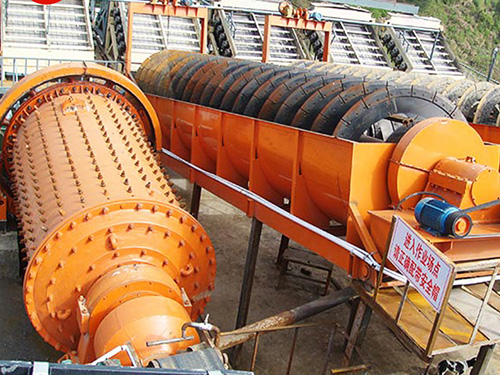
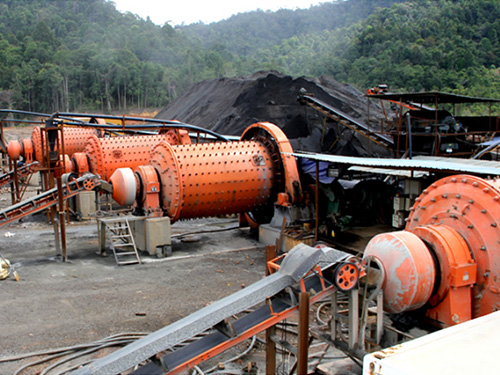
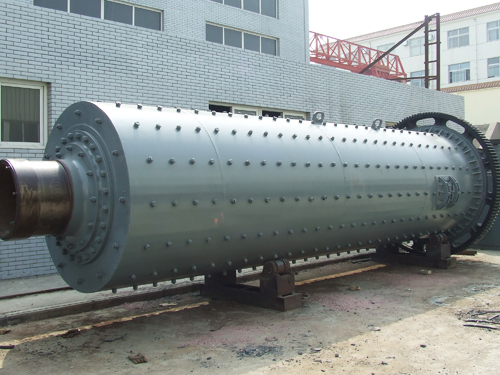
For decades, the industrial ball mill has been the standard solution for clinker grinding. These robust systems operate by rotating a horizontal cylinder filled with steel balls, crushing the clinker into a fine powder.
Capacity Range: Industrial ball mills for cement typically operate within a capacity range of 20 to 200 tons per hour (TPH) . Large-scale operations often utilize mills exceeding 5 meters in diameter to achieve throughputs above 150 TPH.
Advantages: They offer exceptional reliability, a high degree of operational availability (often exceeding 95%), and the ability to produce the finest particle size distribution required for high-early-strength cements.
Limitations: The primary drawback is energy efficiency. Ball mills convert a significant portion of electricity into heat rather than grinding work, leading to higher power consumption per ton compared to modern alternatives.
Vertical Roller Mills: The Efficiency Expert
The Vertical Roller Mill (VRM) has emerged as the primary competitor to the ball mill in the modern cement industry. Unlike ball mills, VRMs use rollers and a rotating table to crush the clinker hydraulically.
Energy Efficiency: VRMs typically consume 20% to 30% less energy than ball mills. This makes them the best grinding solution for plants prioritizing operational expenditure (OPEX) reduction.
Drying Capability: VRMs are uniquely suited for materials with high moisture content, as they integrate the drying and grinding processes into one unit, utilizing waste heat from the kiln.
Space Savings: A VRM setup requires significantly less floor space and has a lower civil engineering cost compared to the massive footprint of a ball mill circuit, which often requires ancillary equipment like separators and conveyors.
Ball Mill vs. VRM: Which is Best?
The "best" solution is context-dependent, usually determined by raw material properties, desired capacity, and capital budget.
Choose a Ball Mill if: You are producing specialized, high-blaine cements (very fine), you require maximum flexibility for different raw materials, or your capacity range falls within the smaller to medium scale (under 50 TPH) with a lower initial capital investment priority.
Choose a VRM if: Your primary goals are energy savings, you are operating at a high capacity (over 100 TPH), and you have access to waste heat for drying. For large-scale integrated cement plants aiming for sustainability, the VRM is currently considered the industry standard.
Hybrid Solutions
For those seeking a middle ground, high-pressure grinding rolls (HPGR) paired with a ball mill offer a hybrid solution. This setup pre-crushes the clinker, reducing the work required by the ball mill, effectively increasing the overall capacity range while lowering specific energy consumption.
While the industrial ball mill remains a reliable, versatile workhorse for cement clinker grinding, the Vertical Roller Mill offers superior energy efficiency and drying capabilities for large-scale modern plants. To determine the best grinding solution for cement clinker, manufacturers must conduct a thorough cost-benefit analysis based on their specific production targets, energy costs, and environmental regulations.