Key Takeaways:
Dry Grinding produces a fine powder and is ideal for moisture-sensitive materials or water-scarce environments, but it can lead to dust and higher wear.
Wet Grinding is more efficient, produces a finer particle size, and controls dust, but requires a drying step afterward and uses grinding aids like water.
The core difference lies in the grinding environment: dry mills process material as-is, while wet mills suspend material in a liquid (usually water).
When selecting a ball mill for an industrial process, one of the most fundamental choices you'll face is between dry grinding and wet grinding. This decision isn't just about adding water; it significantly impacts efficiency, final product quality, operational costs, and the overall feasibility of your project.
Understanding the difference between a dry grinding ball mill and a wet grinding ball mill is crucial for optimizing your operations and achieving your desired results. This comprehensive guide will break down the mechanics, advantages, disadvantages, and ideal applications for each method.
How Does a Ball Mill Work?
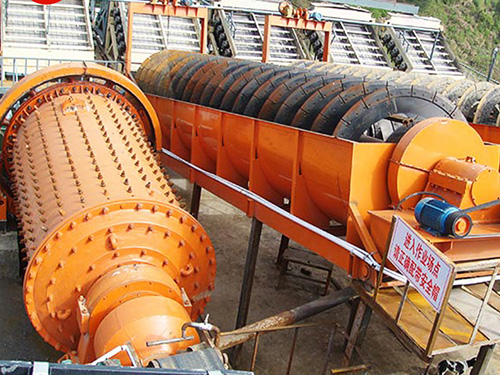
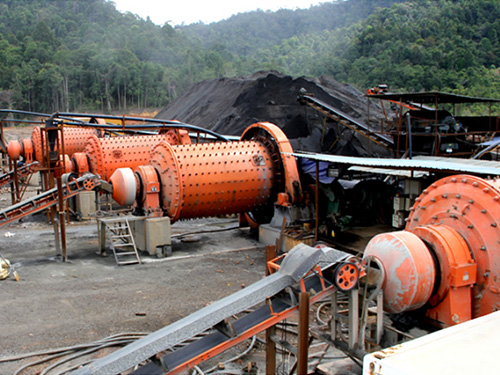
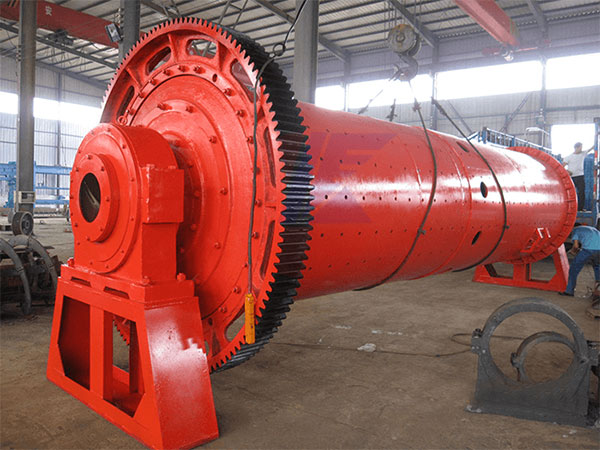
Before diving into the dry vs. wet debate, let's quickly review how a ball mill functions. A ball mill is a cylindrical device filled with grinding media, typically steel or ceramic balls. As the mill rotates, these balls tumble onto the material to be ground, crushing and pulverizing it through impact and attrition. The key difference between dry and wet milling lies in what happens inside the mill alongside the material and grinding media.
Dry Grinding Ball Mills
In a dry grinding ball mill, the material is fed into the mill in its natural, dry state. The grinding process relies solely on the impact and friction generated by the tumbling balls and the material itself.
Advantages of Dry Grinding:
No Drying Step Required: The final product is already a dry powder, saving significant energy and time that would otherwise be spent on drying.
Ideal for Moisture-Sensitive Materials: Perfect for processing materials that react with water, such as cement clinker, certain ceramics, or some ores.
Lower Wear on Mill Liners: In some cases, the absence of a liquid slurry can result in slightly less abrasion on the mill's internal linings.
Wide Applicability: Suitable for areas where water is scarce or expensive.
Disadvantages of Dry Grinding:
Dust Generation: The process creates a lot of dust, requiring robust dust collection systems to protect equipment, ensure worker safety, and meet environmental regulations.
Lower Grinding Efficiency: Dry material can lead to "caking" or lining the mill walls, reducing impact efficiency. It generally requires more energy to achieve the same fineness as wet grinding.
Heat Generation: The intense friction can generate significant heat, which may damage heat-sensitive materials or require cooling systems.
Risk of Airborne Pollution: Without proper controls, fine dust particles can become an environmental hazard.
Wet Grinding Ball Mills
In a wet grinding ball mill, the material is fed into the mill alongside a liquid grinding aid—most commonly water. This creates a slurry, a pumpable mixture of fine particles and liquid.
Advantages of Wet Grinding:
Higher Grinding Efficiency: The liquid acts as a lubricant, reducing particle agglomeration and cushioning. This allows for better energy transfer from the balls to the material, resulting in a finer grind with less energy consumption.
No Dust Problems: The slurry format completely eliminates dust, creating a cleaner and safer working environment.
Finer Particle Size: Wet grinding is unparalleled in its ability to achieve ultra-fine and nano-sized particles, which is critical in industries like paints and advanced ceramics.
Easier Material Handling: Slurries can be pumped easily, simplifying the transport of the ground product to the next stage of processing.
Disadvantages of Wet Grinding:
Requires a Drying Step: The resulting slurry must be dewatered and dried, which adds substantial equipment cost (e.g., filters, dryers) and energy consumption to the overall process.
Mill Corrosion: The presence of water increases the risk of corrosion for the mill and its components, requiring more corrosion-resistant (and often more expensive) materials.
Grinding Media Wear: While slurry can reduce some types of wear, it can accelerate corrosion-related wear on the grinding media.
Not for Water-Sensitive Materials: Cannot be used for materials that hydrate, dissolve, or otherwise degrade in water.
Dry vs. Wet Grinding: A Direct Comparison Table
| Feature | Dry Grinding Ball Mill | Wet Grinding Ball Mill |
|---|---|---|
| Grinding Environment | Dry, free-flowing powder | Liquid slurry (e.g., water) |
| Final Product Form | Dry powder | Slurry (requires dewatering/drying) |
| Grinding Efficiency | Lower, higher energy consumption for fine grind | Higher, more energy-efficient for fine grind |
| Particle Size Achievable | Coarser to fine | Fine to ultra-fine |
| Dust Control | Significant dust, requires collection systems | Virtually dust-free |
| Heat Generation | High | Low (liquid acts as a coolant) |
| Equipment Wear | Higher risk of abrasive wear | Higher risk of corrosive wear |
| Ideal For | Cement, gypsum, ceramics, moisture-sensitive materials | Ores (e.g., gold, copper), pigments, minerals, paints |
Which One Should You Choose? Key Application Examples
Your choice ultimately depends on your material and the requirements of your final product.
Choose Dry Grinding for:
Cement Production: The final product must be a dry powder.
Gypsum Processing: Gypsum is calcined after grinding, and water would interfere with the process.
Certain Ceramics and Minerals: Where the material is sensitive to moisture.
Minerals like Talc or Barite: When a dry powder is the desired end product.
Choose Wet Grinding for:
Mineral Beneficiation (Ore Processing): Wet grinding is standard as it allows for easy transport and separation of valuable minerals from gangue (waste rock).
Paints and Coatings: Requires ultra-fine particles dispersed in a liquid medium.
Pharmaceuticals: For creating fine suspensions and ensuring sterile conditions.
Advanced Ceramics and Nano-materials: Where the ultimate fineness is the primary goal.
Conclusion
There is no universal "better" option between dry and wet grinding ball mills. The right choice is a strategic one, dictated by your specific material properties, desired particle size, energy considerations, and the overall process flow.
Dry grinding excels in simplicity for dry products and handling moisture-sensitive materials. Wet grinding stands out for its superior efficiency, ability to produce ultra-fine particles, and dust-free operation. By carefully weighing the advantages and disadvantages outlined in this article, you can select the ball mill grinding method that will deliver optimal performance and profitability for your operation.