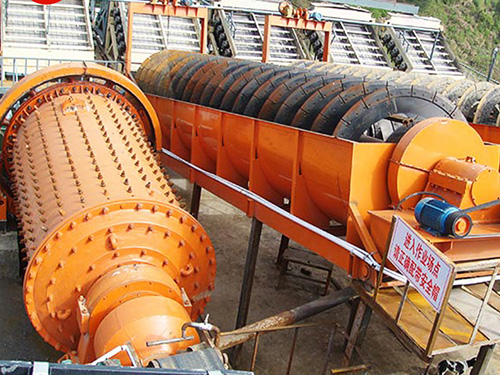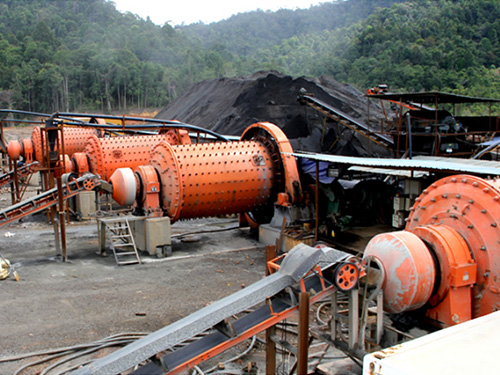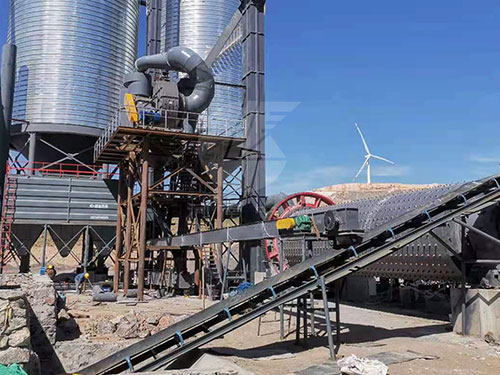
In the mining, cement, and aggregate industries, the ball mill is the heart of the processing plant. When a ball mill goes down, production stops, and revenue is lost. To ensure maximum uptime and operational efficiency, facility managers and maintenance teams must adhere to a strict regimen of care. But what are the common ball mill maintenance practices that separate a smoothly running operation from one plagued by unexpected failures?
Here, we break down the essential preventive, predictive, and routine maintenance strategies required to keep industrial ball mills operating at peak performance.
1. Daily Inspections: The First Line of Defense
The most effective maintenance practice is the daily walk-around inspection. Operators should spend 15 to 30 minutes per shift checking for visible signs of wear or malfunction.
Key daily checks include:
Lubrication Systems: Verify oil levels, pressure, and temperature in the main bearing and gearbox lubricants. Contaminated or low oil is a leading cause of bearing failure.
Drivetrain Alignment: Listen for unusual noises in the motor, gearbox, and pinion. A "slapping" sound often indicates misalignment or backlash issues in the girth gear.
Seal Integrity: Check for dust leaks around the feed and discharge chutes. Excessive dust indicates seal wear, which can lead to contamination of the lubricant.
2. Gear and Pinion Maintenance
The girth gear (ring gear) and pinion are the most expensive mechanical components of a ball mill. Improper maintenance here can lead to catastrophic failure.
Backlash and Alignment: Regularly measure the backlash between the pinion and the girth gear. As bearings wear or foundations settle, alignment shifts. Misalignment leads to uneven tooth loading, causing pitting, flaking, or tooth breakage.
Spray Lubrication: Unlike closed gearboxes, ball mill gears rely on an automatic spray system. Ensure the spray nozzles are not clogged and are applying the correct viscosity of gear lubricant at the precise time intervals to maintain a proper lubricating film.
3. Bearing and Trunnion Care
In trunnion-supported ball mills, the bearings are subject to extreme loads and heat. Overheating is a primary indicator of trouble.
Temperature Monitoring: Implement continuous temperature monitoring. If a trunnion bearing temperature spikes unexpectedly, it may indicate a loss of lubrication, contamination, or a wipeout condition that requires immediate shutdown.
Cooling Systems: Ensure that water-cooling systems (where applicable) are functioning correctly to dissipate the heat generated by friction.
4. Liner Management
Mill liners protect the shell and consume a significant portion of maintenance budgets. Running liners past their wear life results in damage to the mill shell—an extremely costly repair.
Wear Measurement: Use laser profiling or physical templates to measure liner thickness regularly.
Strategic Replacement: Instead of replacing all liners at once, consider a relining schedule based on wear patterns. The feed end typically wears faster than the discharge end. Managing liner wear ensures consistent grinding efficiency and prevents unplanned downtime.
5. Predictive vs. Preventive Maintenance
Modern ball mill maintenance has evolved beyond static schedules. While preventive maintenance (time-based) is necessary, predictive maintenance (condition-based) maximizes asset life.
Vibration Analysis: Regularly analyze vibration data on the motor, gearbox, and pinion bearings. Vibration spikes can detect bearing defects, imbalance, or structural cracks weeks before a failure occurs.
Oil Analysis: Schedule routine oil sampling. Spectrometric analysis can detect microscopic metal particles, revealing early-stage wear in gears or bearings long before they become audible.
6. Bolting and Structural Integrity
Ball mills generate immense vibration. Torque retention is critical.
Torque Checks: Regularly check the torque on all bolted connections, particularly the mill head bolts, liner bolts, and flange connections. Loose bolts can lead to fatigue fractures.
Crack Detection: Non-destructive testing (NDT) methods, such as magnetic particle inspection, should be used annually to check for stress cracks in the trunnions and mill heads.
Adhering to common ball mill maintenance practices is not merely about fixing broken parts; it is about engineering reliability. By combining daily visual inspections with advanced predictive tools like vibration analysis and thermography, plants can significantly reduce unplanned downtime, lower repair costs, and extend the operational life of their grinding equipment.
Ready to optimize your grinding circuit? Regular training for maintenance crews and partnering with OEM specialists for alignment and relining services can further enha