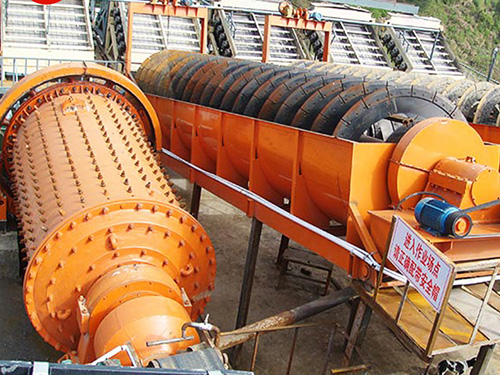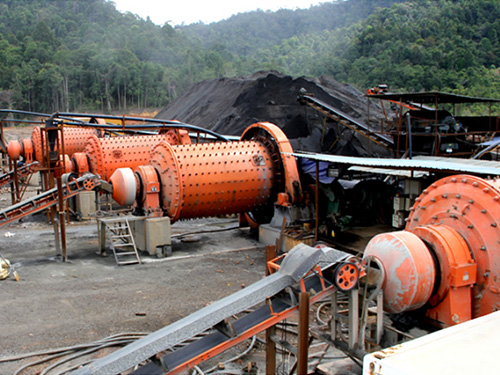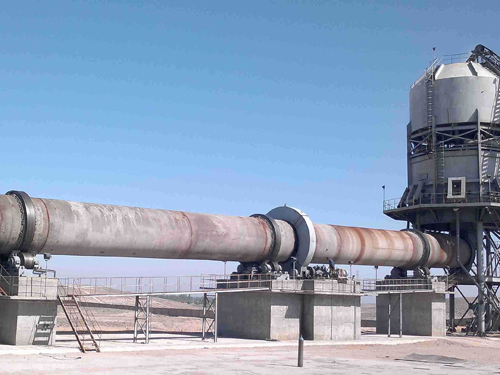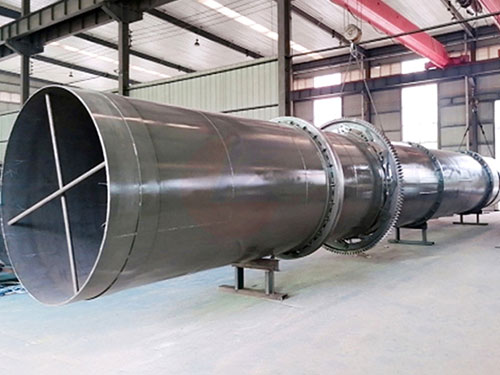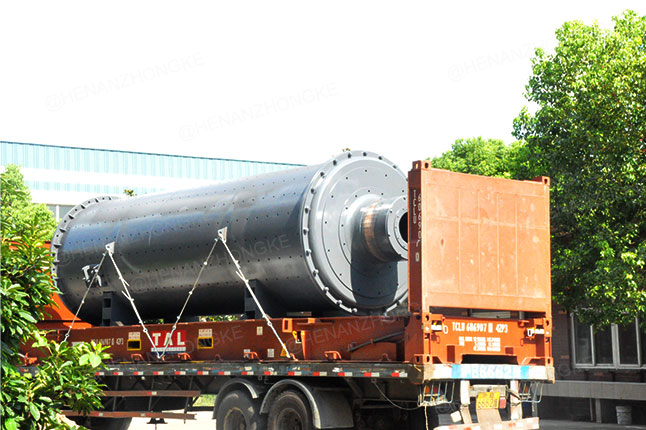
Selecting the right ball mill size is crucial for optimizing grinding efficiency, energy consumption, and overall production output. A poorly sized mill can lead to higher operational costs, uneven grinding, or insufficient capacity. This guide will help you determine the best ball mill size for your plant based on key factors like material properties, production requirements, and power efficiency.
Key Factors in Choosing the Right Ball Mill Size
1. Production Capacity Requirements
Small-scale plants (1–20 TPH) may use smaller ball mills (1–3m diameter).
Medium to large plants (20–100+ TPH) require larger mills (3–5m+ diameter).
Calculate your required throughput (tons per hour) to avoid under/over-sizing.
2. Material Hardness & Feed Size
Harder materials (e.g., clinker, quartz) need larger mills with more grinding media for effective size reduction.
Finer feed allows for smaller mills, while coarse feed may require a bigger mill or pre-crushing.
3. Desired Fineness (Particle Size)
Finer grinding (e.g., cement, ultra-fine powders) needs longer mills or multiple chambers.
Coarser grinding (e.g., raw materials) can work with shorter mills.
4. Power & Energy Efficiency
Larger mills consume more power but may be more efficient per ton.
Smaller mills are cheaper to run for low-capacity needs.
Check motor compatibility (kW/HP) to avoid inefficiencies.
5. Available Space & Installation Constraints
Compact plants may need vertical mills or modular designs.
Large facilities can accommodate horizontal ball mills with longer drums.
Ball Mill Sizing Calculations
Use these industry-standard formulas to estimate the right mill size:
Bond’s Law (for power calculation):

Mill Diameter vs. Length Ratio:
For coarse grinding: Shorter mills (L/D ratio ~1–1.5).
For fine grinding: Longer mills (L/D ratio ~1.5–3).
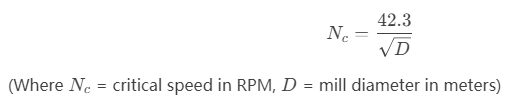
Critical Speed Calculation:
Common Mistakes to Avoid
❌ Choosing a mill based only on price → Leads to inefficiency & higher long-term costs.
❌ Ignoring future expansion needs → May require costly upgrades later.
❌ Overlooking liner & grinding media wear → Affects grinding efficiency over time.Final Recommendation
To ensure the best ball mill size for your plant:
✔ Conduct material testing (grindability, moisture, abrasiveness).
✔ Consult with ball mill manufacturers for tailored solutions.
✔ Consider modular or scalable designs for future growth.