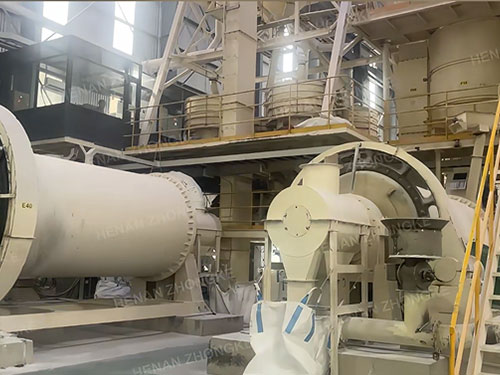
Industrial ball mills are essential equipment in the mining and mineral processing industries, designed for grinding various ores and materials into fine powders. Understanding the capacity range of a ball mill for grinding is crucial for selecting the right equipment to optimize production efficiency. This article explores the capacity range of industrial ball mills, factors influencing their performance, and how to choose the best ball mill for grinding operations.
Understanding Industrial Ball Mills
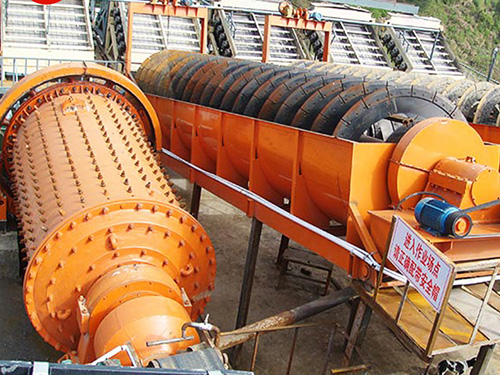
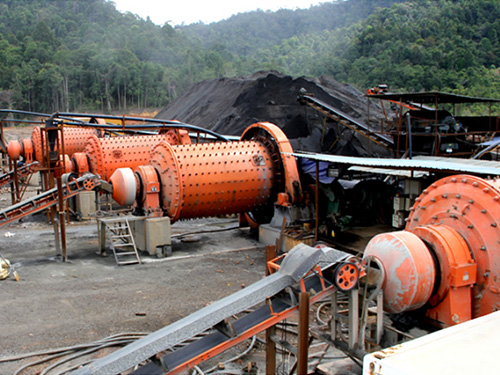
A ball mill for grinding is a cylindrical device used to blend and grind materials such as ores, chemicals, ceramics, and paints. The mill rotates around a horizontal axis, partially filled with the material to be ground plus the grinding medium (typically steel or ceramic balls). The rotation causes the balls to cascade and grind the material into fine powder.
Ball mills are widely used in mining because they can handle a wide range of materials and produce consistent particle sizes. Their capacity depends on several factors, including size, design, and operational parameters.
Capacity Range of Industrial Ball Mills
The capacity of a ball mill for grinding varies significantly based on its dimensions, power, and the type of material being processed. Generally, industrial ball mills can be categorized into small, medium, and large-scale capacities:
1. Small-Scale Ball Mills (0.5 – 10 Tons per Hour)
Suitable for laboratory testing or small mining operations.
Typically have drum diameters of less than 1.5 meters.
Used for fine grinding of small batches of material.
2. Medium-Scale Ball Mills (10 – 100 Tons per Hour)
Common in mid-sized mining and cement plants.
Drum diameters range from 1.5 to 3 meters.
Ideal for processing larger quantities of ore while maintaining energy efficiency.
3. Large-Scale Ball Mills (100 – 500+ Tons per Hour)
Used in large mining operations and industrial mineral processing plants.
Drum diameters exceed 3 meters, with lengths up to 15 meters or more.
High-capacity ball mills for grinding are often custom-designed for specific applications.
The exact capacity of a ball mill for grinding depends on factors like rotational speed, filling ratio, and the hardness of the material being processed.
Factors Affecting Ball Mill Capacity
Several key factors influence the grinding efficiency and capacity of a ball mill for grinding:
1. Mill Dimensions (Diameter & Length)
Larger mills can hold more material and grinding media, increasing throughput.
The length-to-diameter ratio affects residence time and grinding efficiency.
2. Rotational Speed
Optimal speed ensures proper cascading of grinding media for efficient grinding.
Too slow: Insufficient grinding action.
Too fast: Centrifugal force prevents grinding media from falling, reducing efficiency.
3. Grinding Media (Balls) Size & Material
Larger balls are better for coarse grinding, while smaller balls are ideal for fine grinding.
Steel, ceramic, or chrome alloy balls impact wear resistance and grinding efficiency.
4. Material Feed Size & Hardness
Larger feed particles require more grinding time, reducing mill capacity.
Harder ores (e.g., quartz, granite) decrease throughput compared to softer materials.
5. Discharge Mechanism
Overflow ball mills discharge finer particles, while grate discharge mills handle coarser materials.
The discharge method affects particle size distribution and mill capacity.
How to Choose the Right Ball Mill for Grinding
Selecting the appropriate ball mill for grinding involves evaluating:
Production Requirements – Determine the required tonnage per hour based on your mining operation’s scale.
Material Characteristics – Consider hardness, moisture content, and desired fineness.
Energy Efficiency – Larger mills may have higher upfront costs but lower energy consumption per ton.
Maintenance & Durability – Opt for mills with wear-resistant liners and easy maintenance access.
Customization Options – Some applications require specialized linings or grinding media.
Industrial ball mills are versatile grinding machines with capacities ranging from small-scale (0.5 TPH) to large-scale (500+ TPH) operations. Choosing the right ball mill for grinding depends on material properties, desired output, and operational efficiency. By understanding the factors that influence capacity, mining companies can optimize their grinding processes for maximum productivity.
Whether you're processing gold, copper, or industrial minerals, selecting the correct ball mill for grinding ensures cost-effective and efficient mineral extraction. For tailored solutions, consult with ball mill manufacturers to match your specific mining needs.